
Guides Bulk and proofing
Bulk and proofing guides
Most of a sourdough loaf is decided before it meets the oven. Start with how to tell underproofed from overproofed and how long to bulk ferment, then go deep on the rise, temperature and the poke test.
New here? Start with two guides. Underproofed vs Overproofed Sourdough: How to Tell reads the finished loaf back to the fermentation that made it. How Long to Bulk Ferment Sourdough works forward: what the dough should look like when bulk is done, and why the clock on the recipe rarely matches your kitchen.
The short version: temperature sets the pace, so read the dough, not the clock. Bulk is usually done when the dough has grown roughly 50 to 75 percent, has domed edges and bubbles, and jiggles when you shake the bowl. The poke test belongs to the final proof, not bulk. And if you are unsure which way to adjust, most home bakers underproof far more often than they overproof.
How long does bulk fermentation take?
Bulk fermentation is the first rise, from mixing to shaping. Its length depends mostly on the dough's temperature, which is why no single time is right for every kitchen.
| Dough temperature | Bulk often takes | What to do |
|---|---|---|
| About 78F (26C) | About 4 to 5 hours | Check the dough early |
| 74 to 76F (23 to 24C) | 2 to 5 hours, with more starter in the dough | Watch for the signs, not the clock |
| About 68F (20C) | 8 hours or more | Warm water at the mix, a warmer spot |
Bulk is done when the signs line up: grown roughly 50 to 75 percent (doubled is usually too far), domed edges, bubbles on top and through the sides, and a jiggle like set gelatin. Any one alone can mislead. A straight-sided container with the start level marked makes the rise easy to read.
Underproofed or overproofed?
| Sign | Underproofed | Overproofed |
|---|---|---|
| Shape and crust | Often a blowout along the score or side | Flat and spread, pale crust, no ear |
| Dough before the oven | A poke springs right back | A poke does not spring back; sticks to the banneton, smells sharp and boozy |
| Crumb | Tunnels in tight, heavy crumb; a dense band at the base; a gap under the top crust | Collapsed, lacy crumb with thin torn walls |
| Next bake | Extend bulk 1 to 2 hours | End bulk 1 to 2 hours sooner, or bulk cooler around 72F (22C) |
Both can show big holes. Read the crumb around them, as underproofed vs overproofed explains.
The poke test, and where it fits
The sourdough poke test is for the shaped dough at the end of the final proof. Flour a fingertip and press about 1/2 inch (1 cm) in. It springs right back: give it more time. It fills back slowly and leaves a small dimple: bake. It does not spring back at all: likely overproofed, bake now. Cold dough from the fridge always springs back more slowly, so trust the test less after a cold proof.
Try it
Not sure which way your last loaf went? The crumb troubleshooter turns seven questions about the slice into a proof call and the one change to make.
Related topics
- Reading the crumb: what fermentation leaves behind in the cut loaf.
- Schedules and seasons: the overnight cold proof, and bulk in a cold or hot kitchen.
- Loaf troubleshooting: dense, gummy and flat loaves traced back to one step.
Guides in this section
Bulk and proofing
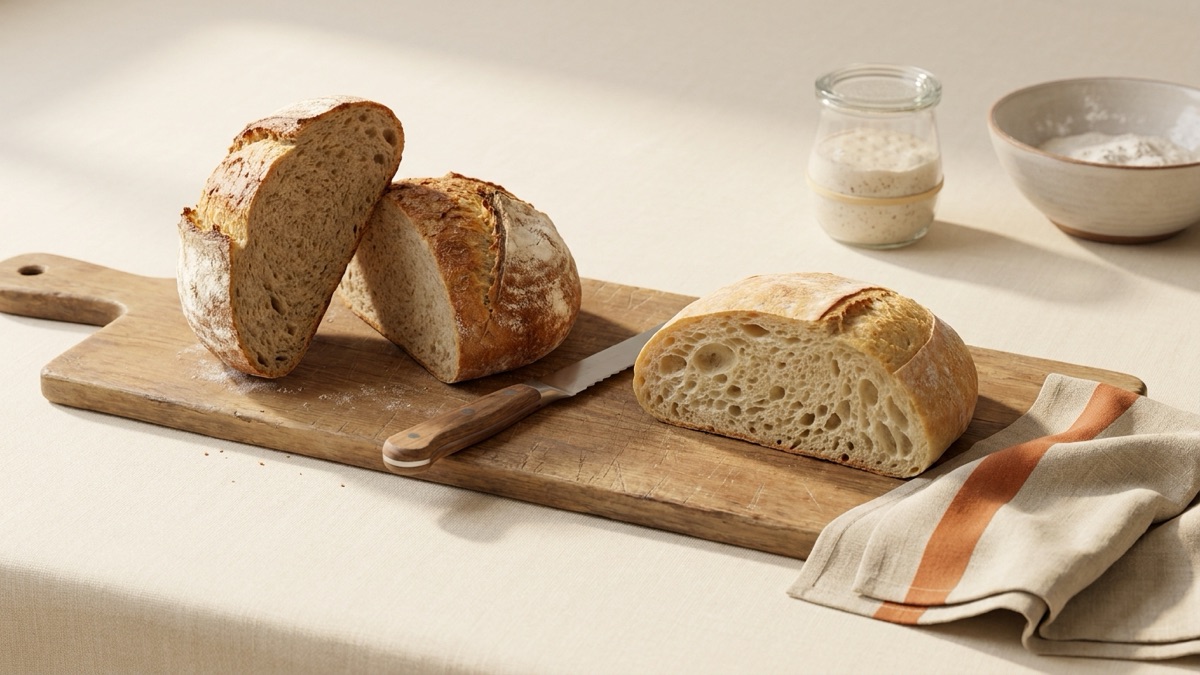
Underproofed vs Overproofed Sourdough: How to Tell
Bulk and proofing
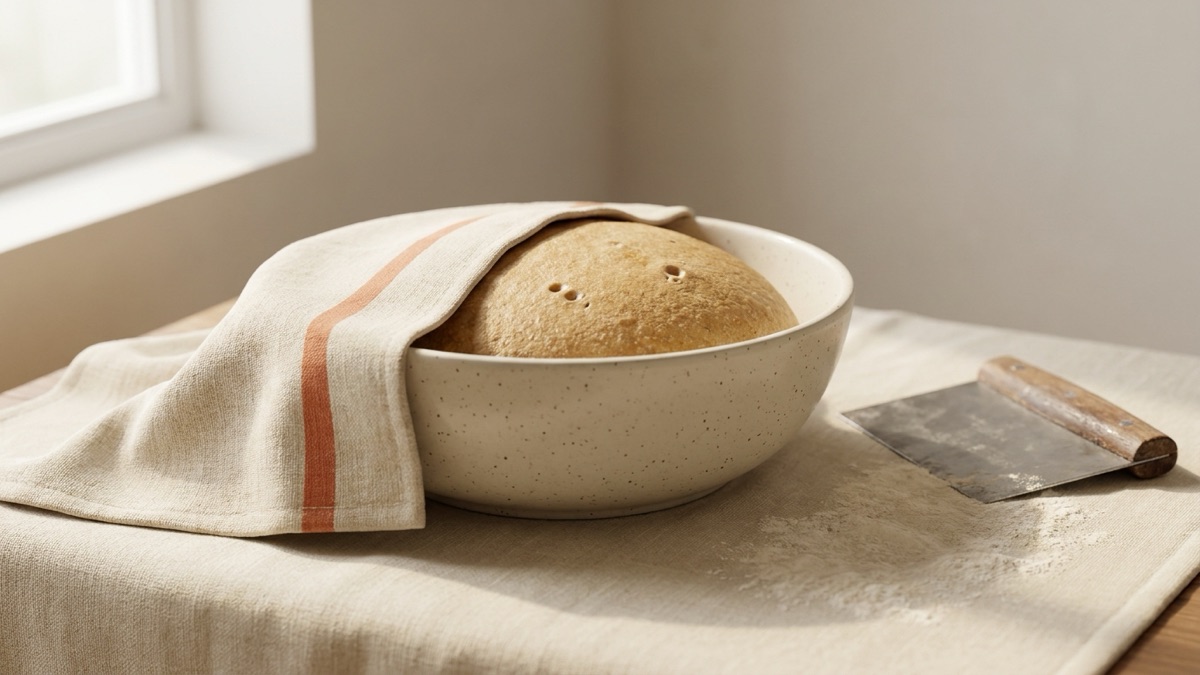
How Long to Bulk Ferment Sourdough
Bulk and proofing
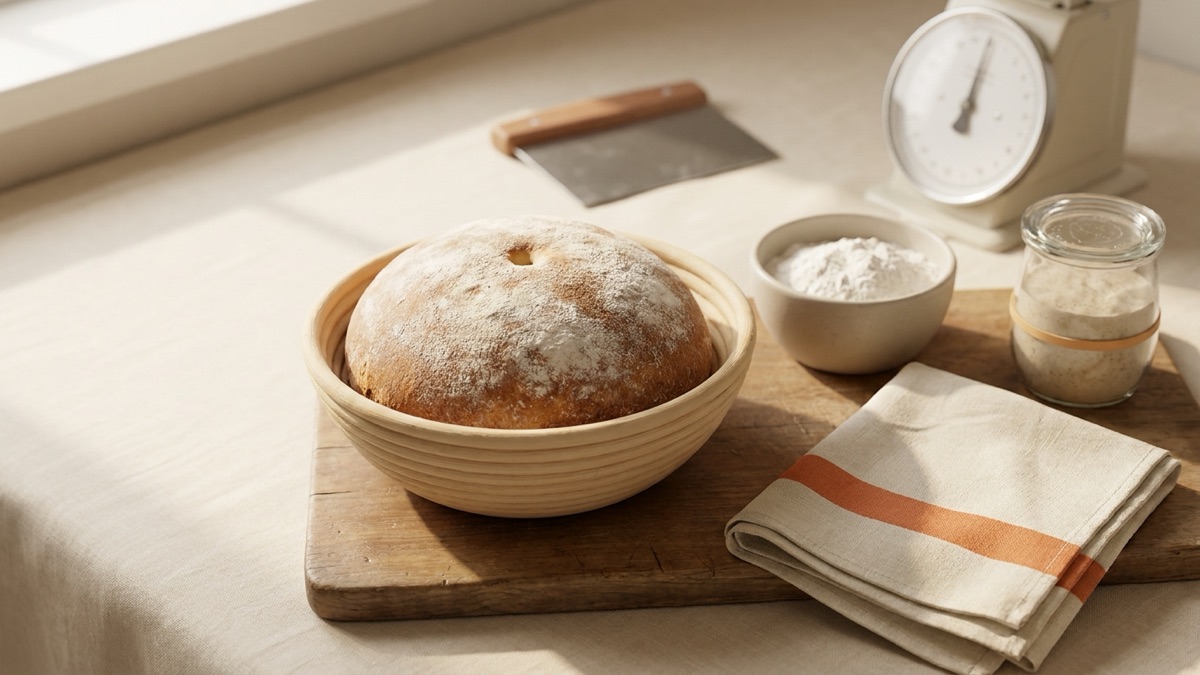
The Sourdough Poke Test, and When Not to Trust It
Bulk and proofing
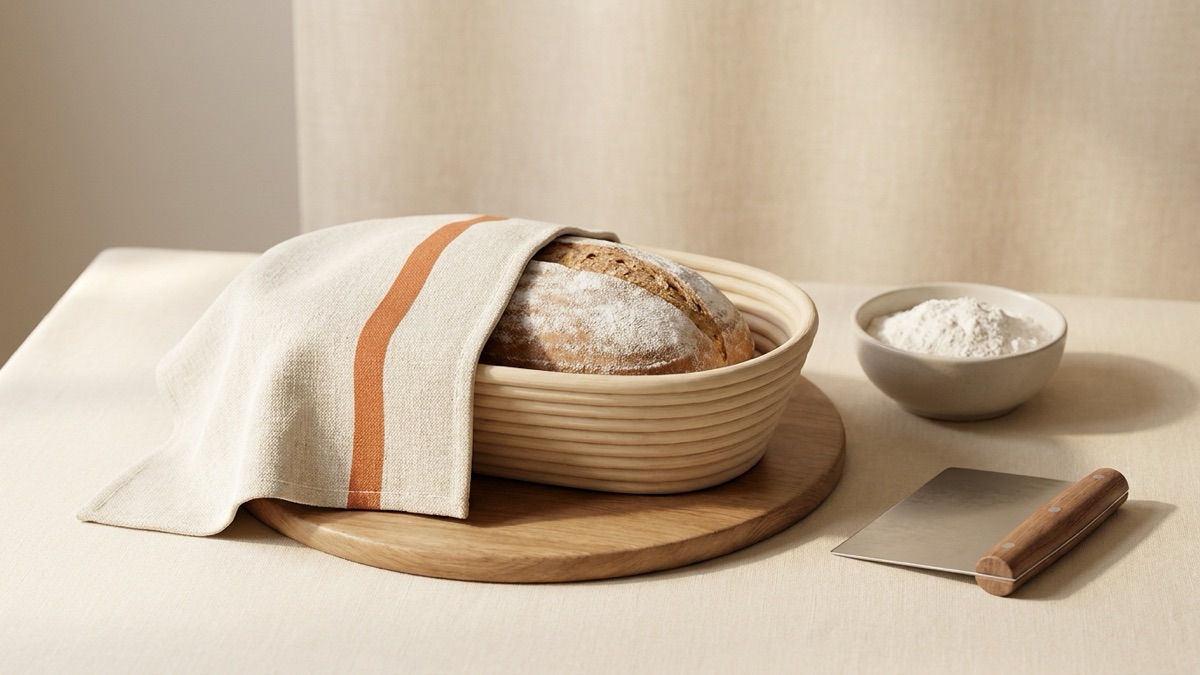
How Long to Proof Sourdough After Shaping